HackproofHacks
Film, TV and streaming

Technical advisory for writers, directors and production houses, from a practising ethical hacker. Script review, scene design and on-screen asset checks.

The problem

Most hacking scenes lose the audience that knows better

Cybercrime, hacking, OSINT and surveillance now sit at the centre of thrillers, crime dramas and streaming series. Writers and directors are rarely security people, and the result is familiar: a hacker who breaks into a government system in thirty seconds, scrolling green text that means nothing, a progress bar doing the work of a plot.

Audiences have caught on. Security professionals, students and a growing share of ordinary viewers notice when a scene is wrong, and clips of bad hacking scenes spread online. Getting the technical detail right protects the credibility of the whole story.

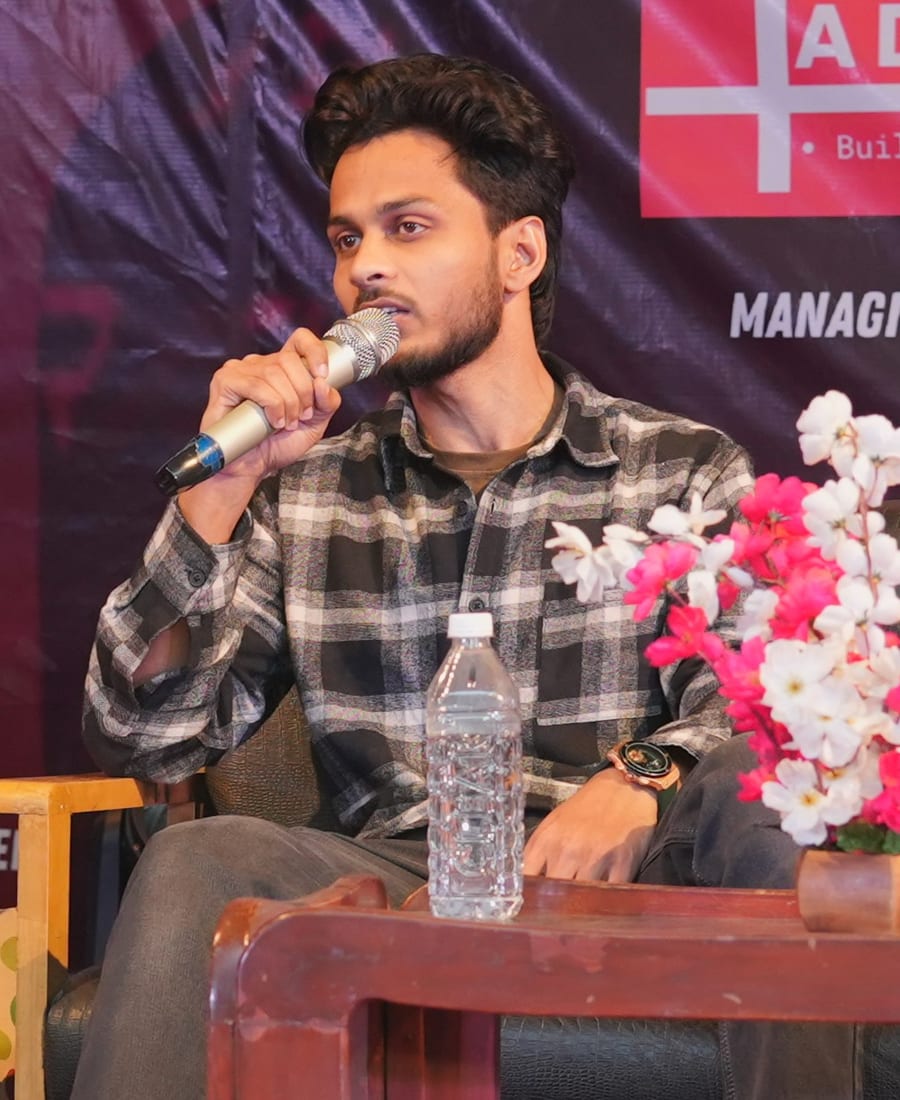
Hassan Ansari, ethical hacker and founder of HackproofHacks

Hassan Ansari

Founder and lead researcher

Your technical advisor

Someone who does this work, and explains it for a living

Hassan Ansari is a practising ethical hacker and penetration tester. For over a decade he has tested real production systems, reported vulnerabilities through responsible disclosure and taught others to do the same. The attacks in your script are the ones he works with, so the notes you get come from hands-on experience, not from reading about it.

Just as useful on a production, he spends his time turning technical ideas into plain language. More than 10,000 people have gone through his training programmes and around 212,000 follow his work, which means he is used to explaining how an attack works to people who have never touched a terminal.

10+
Years of offensive security work
212K+
Followers across the HackproofHacks community
10K+
Learners trained in structured programmes
#3
Feedspot Top 35 Ethical Hacking Influencers, 2026

Areas of expertise

  • Web application and API penetration testing
  • Bug bounty research and responsible disclosure
  • Active Directory and network attack paths
  • Social engineering and phishing
  • Teaching complex attacks to non-technical audiences

Read the full background on the About page, or see published work in the blog.

The method

Real, Plausible or Fiction

Every technical beat in your script gets one of three ratings. It gives non-technical writers and producers a fast way to see which scenes are solid and which need work, and it keeps the conversation about the story.

Real
It works this way in the real world, with real tools and real timelines. A phishing email that harvests a login, a leaked password reused on another site, an exposed database found with a search engine.
Plausible
Rare, but it could happen. The conditions are unusual, the target is badly configured, or the attacker got lucky. Good for drama when the setup is established earlier in the story.
Fiction
Hollywood invention. A progress bar that cracks any password in seconds, a hacker who takes over a whole city grid from a laptop. We explain why it breaks, and give you a version that keeps the tension without losing the viewers who know better.
What we cover

Hacking, cybercrime and digital investigation

  • Attack chains: how a breach would realistically start, spread and end
  • Dialogue and terminology: what hackers, analysts and police would actually say
  • On-screen terminal commands, tool output, logs and dashboards
  • Phone, app, email and messaging screens used in social engineering scenes
  • OSINT sequences: how a character would find a person or company online
  • Digital forensics and incident response: what investigators can and cannot recover
  • Malware, ransomware and data breach storylines
  • Pacing: how long things really take, and how to compress them honestly
Who it is for

Writers, directors and production teams

  • Screenwriters and writers rooms working on a thriller, crime or tech story
  • Directors and showrunners who want technical scenes to hold up
  • Production houses and streaming platforms with several titles in development
  • Art, props and VFX departments building on-screen interfaces
  • Web series creators and independent filmmakers on tight budgets

Work is remote by default, so it suits productions in India and abroad. On-set support can be arranged for specific shoots.

How it works

From first message to final notes

  1. 01

    Enquiry and NDA

    Tell us about the project, the scenes involved and the deadline. We sign an NDA before you share any script pages.

  2. 02

    Scoping call

    A short call with the writer, director or showrunner to understand what each scene needs to achieve emotionally, so the technical advice serves the story.

  3. 03

    Script and scene review

    Each hacking-related beat is rated Real, Plausible or Fiction, with a plain-language explanation and a suggested fix where one is needed.

  4. 04

    Delivery

    A written review, on-screen asset notes or mock screens, and a follow-up call to go through changes. Revisions are included within the agreed scope.

Deliverables

What your team receives

Safety and confidentiality

Ground rules

Hassan's background and approach are on the About page. For the security side of the work, see HackproofHacks services.

FAQ

Common questions

What does a cybersecurity technical advisor do on a film or TV production?

A cybersecurity technical advisor helps writers, directors and art departments make hacking, OSINT, forensics and cybercrime scenes believable. That covers reviewing scripts for technical accuracy, explaining how an attack would realistically unfold, and checking what appears on screen, such as terminal commands, logs, dashboards and alerts.

Does realistic hacking make a scene less dramatic?

No. Accuracy and drama work together when the advice is built around the story. Each beat is rated as how it really works, how it could plausibly work, or pure fiction, and where a scene has to bend the truth for pacing, we show you how to bend it without breaking audience trust.

Will you teach our writers how to actually hack?

No. The work covers how attacks look and flow on screen, not working exploit code, live credentials or real targets. All on-screen data is fictional, and nothing delivered is usable as operational instructions.

Can you review a script under NDA?

Yes. Scripts and production details are handled under a signed NDA, and files are deleted at the end of the engagement unless you ask us to keep them.

Do you work with Indian productions and international ones?

Both. Hassan Ansari works with productions in India and abroad, remotely, and can advise on India-specific scenarios such as UPI fraud, SIM-swap scams and phishing rings, as well as global ones.

Send us the scene

Tell us about the project and the scenes you are unsure about. We reply within one business day, and nothing is shared without an NDA.

Request a script review