Type to search across the blog, guides, tools, and services.
HackproofHacks was founded by Hassan Ansari, a practising ethical hacker and penetration tester who has spent over a decade testing production systems, reporting vulnerabilities, and teaching others to do the same.

Hassan Ansari
Founder & lead researcher

Hassan got into security the way most practitioners do: by taking things apart to see where they fail. That habit of looking for the edge cases, the overlooked assumptions, and the trust relationships that don't hold became the foundation of how he tests today.
A decade of authorised penetration tests, bug bounty disclosures, and security research taught him something useful: most vulnerabilities aren't exotic. They are logical failures, places where an application assumes something about its users that an attacker can exploit. Business logic flaws. Access control gaps. Trust that was never verified.
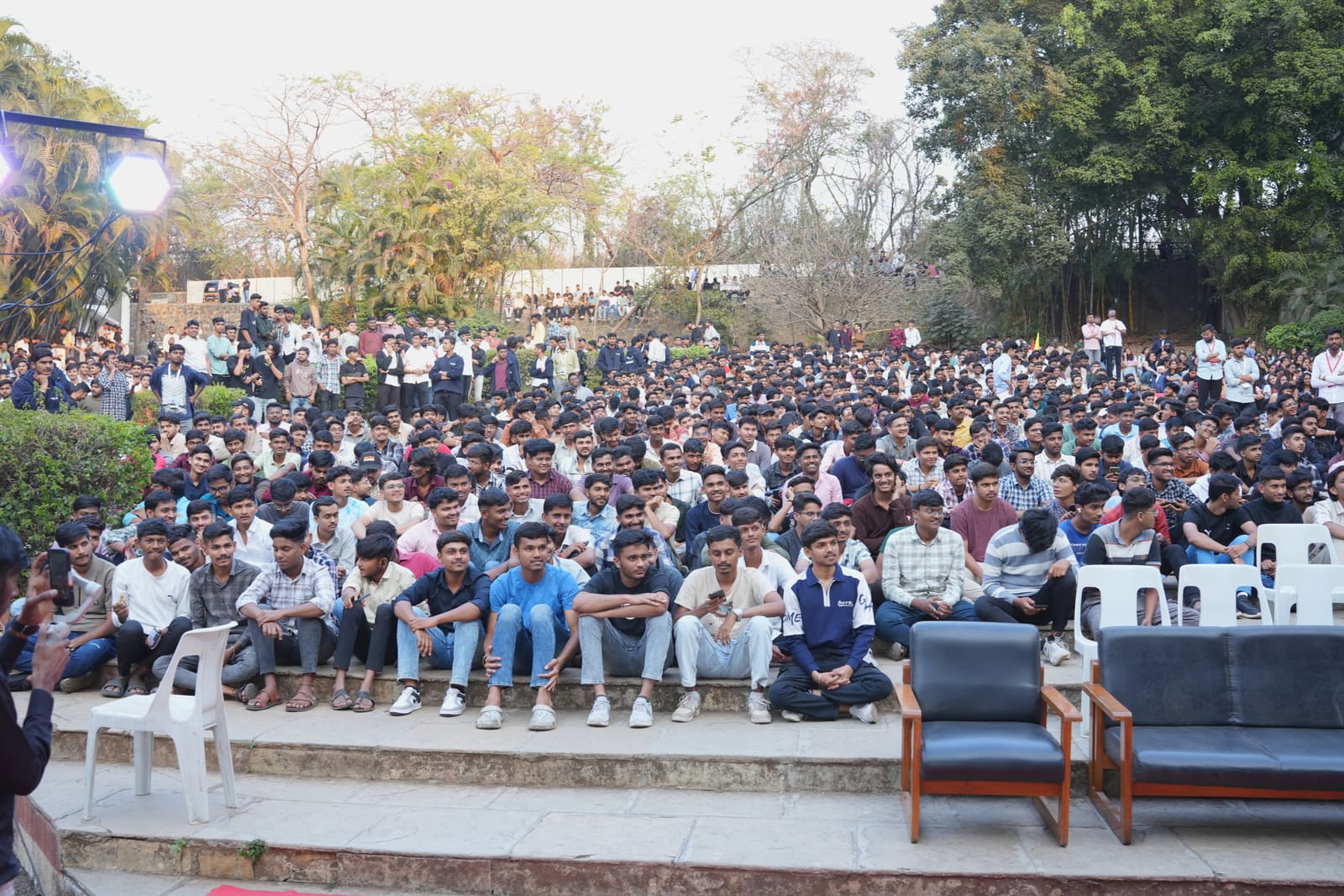
As his reputation grew, so did the questions from people trying to get into security. How do you start? How do you approach a target? How do you turn a bug bounty finding into a career? Hassan started answering, through social media, workshops, and mentorship. Around 212,000 people now follow that work, and more than 10,000 have gone through structured training programmes.
HackproofHacks does two things: it tests production applications for vulnerabilities, and it trains people who want to do this work professionally. Every engagement is led by Hassan personally or by senior testers he has trained and vouches for. Every training programme is built from real case studies.
The name reflects the philosophy. No system is unhackable; the goal is to understand your attack surface well enough to make an attacker's job as hard as possible, and to know quickly when they succeed anyway.
"Security isn't a product you buy. It's a process you build — one vulnerability, one fix, one lesson at a time."
Hassan Ansari
Six commitments that hold on every engagement, whether it's a two-day assessment or a year-long retainer.
Every engagement is scoped, documented, and authorised in writing before a single packet is sent. We never test outside the agreed scope.
When we find vulnerabilities, organisations get time to fix them before there is any public discussion of the findings.
Screenshots, request logs, and any credentials encountered are purged when the final report is delivered. Your data doesn't live in our systems.
We run automated tools too, but most of the high-severity findings in our reports come from manual analysis a scanner can't replicate.
Every report is written for the engineers who will fix the findings: severity, evidence, reproduction steps, and fix guidance — short enough that it actually gets read.
Security knowledge shouldn't be locked behind expensive certifications. We share what we learn through blog posts, workshops, and free tools.
Whether you need a penetration test, a security assessment, or training for your team, tell us what you're building and we'll take it from there.